
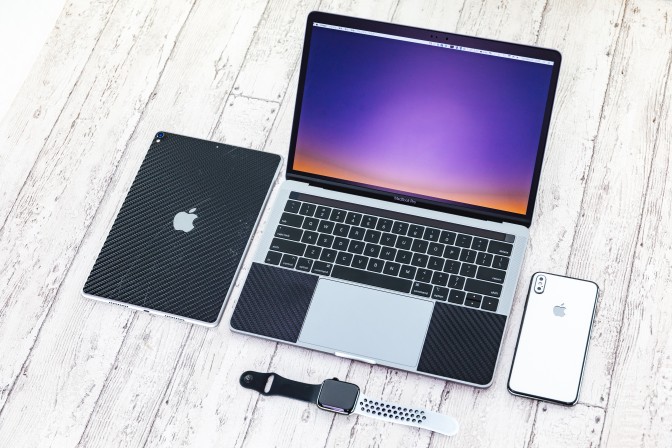
Amidst the surging demand for artificial intelligence infrastructure, Apple has decided to increase the prices of several iPad and MacBook models. This decision comes as a response to the escalating costs of memory and storage chips, which have become more expensive due to the heightened focus on AI technologies. The tech giant has managed to absorb these rising component costs for a while but has now reached a point where it must transfer some of these expenses to its customers.
Products affected by this price hike include various MacBook models, iPads, HomePod speakers, and Apple TV devices. In particular, MacBook configurations with higher storage have seen marked price increases, reflecting the increased cost of memory components. The global expansion of AI systems has led chip manufacturers to allocate more resources towards AI data centers and advanced computing technologies. This shift in focus has diminished the supply of memory components available for consumer electronics, thereby driving up production costs across the tech sector.
Apple’s extensive supplier network has mitigated some of the impacts of these cost increases compared to its competitors. However, analysts predict that the upward pressure on device pricing is likely to persist. There is also speculation that future iPhone models could experience price adjustments as companies continue to grapple with elevated component expenses.
The implications of rising memory chip costs extend beyond Apple, affecting the broader technology market. Manufacturers of smartphones and PCs are also facing challenges due to increased production costs, coupled with a decline in consumer demand. The combination of these factors is anticipated to put further strain on sales within these segments of the tech industry.