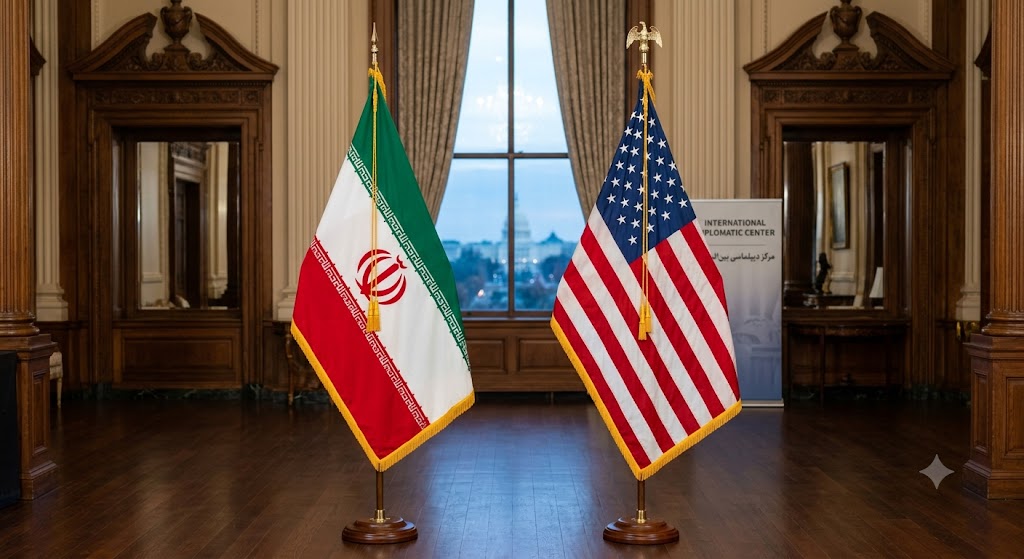
Ali Akbar Velayati, a key advisor to Iran’s Supreme Leader, has issued a warning to regional nations about the risks of depending too heavily on U.S. support, amid ongoing discussions about a potential agreement between Iran and the United States. Velayati argued that the stability of Gulf countries is closely tied to Iran’s influence over the Strait of Hormuz, and accused Western nations of fostering instability within the area.
His remarks were made following recent talks between U.S. officials and Gulf allies, during which the U.S. underscored the critical importance of maintaining free shipping access through the Strait of Hormuz. The U.S. cautioned that any efforts to obstruct or limit maritime traffic could lead to significant conflicts. In response, Iran has maintained that it plays a crucial role in the oversight of shipping activities in this strategic waterway, insisting on its rights as a coastal nation and rejecting calls for unrestrained passage that overlook its position.
The situation has been further complicated by reports of incidents involving foreign vessels near the strait, heightening tensions in a region that is vital for global energy supplies. A substantial amount of the world’s oil and gas shipments navigate through this narrow passage, underscoring its strategic importance.
Despite these geopolitical strains, the oil market has seen a decline in prices, as traders anticipate that any disruptions in supply could be minimized. This market reaction suggests a belief that the potential for extensive supply interruptions remains low, despite the heightened political friction in the area.