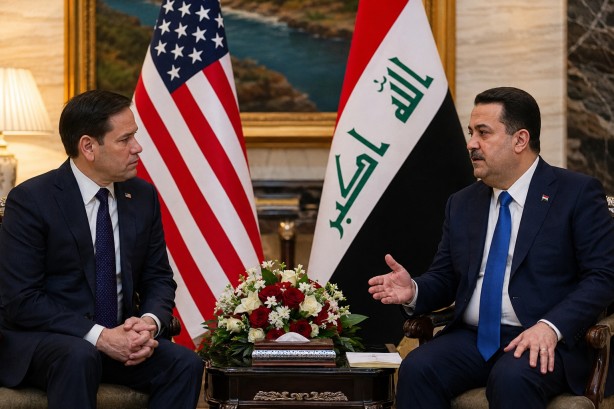
In a significant diplomatic move, Iraqi Prime Minister Ali Al Zaidi wrapped up a noteworthy visit to Washington, where he successfully forged economic agreements and fortified ties with the United States. This visit underscored Iraq’s ambition to draw investment and enhance security cooperation, positioning Al Zaidi as a leader committed to reform. The positive engagement with US officials highlighted these efforts, yet challenges loom due to Iraq’s complex internal political landscape and the sway of Iran-backed factions.
Although the visit was well-received, implementing the promised security reforms and economic updates poses a considerable challenge. Analysts emphasize that Iraq’s internal dynamics, often influenced by powerful regional players, could hinder progress. Balancing these reforms with the interests of various political groups within Iraq remains a critical hurdle for Al Zaidi’s administration.
Moreover, Iraq finds itself at a delicate juncture, needing to sustain a diplomatic tightrope between Washington and Tehran. With regional tensions simmering, Baghdad must navigate these relationships carefully, ensuring neither is adversely affected as it seeks to bolster its international standing and economic growth.
The recent agreements have paved the way for potential collaboration between Iraq and the United States, yet the true measure of success will be Iraq’s ability to implement these reforms effectively. Sustained diplomatic and economic relationships with both the US and Iran will be crucial for Iraq’s stability and growth, requiring deft political maneuvering by Al Zaidi.
As Iraq endeavors to fulfill its commitments, the long-term impact of this visit hinges on the government’s capacity to execute promised reforms and maintain balanced foreign relations. The outcomes of this visit could significantly influence Iraq’s future economic landscape and its role in regional geopolitics.