
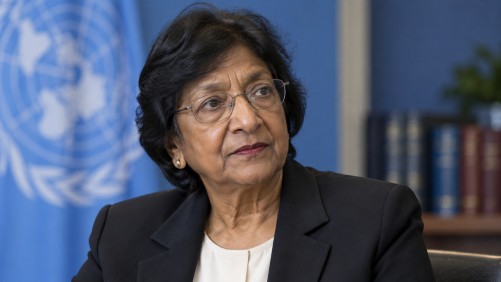
South African jurist Navi Pillay has been awarded the 2026 Nobel Peace Prize for her extensive contributions to promoting human rights and strengthening international law. The Norwegian Nobel Committee recognized Pillay’s impactful career, during which she served on international criminal tribunals, defended human rights during South Africa’s apartheid era, and led the United Nations’ human rights office as the high commissioner.
Pillay’s efforts in international justice have been pivotal, including her role as chair of the UN Independent International Commission of Inquiry on the Occupied Palestinian Territory. In a report released in September 2025, the commission accused Israel of committing genocidal acts in Gaza, alleging an intent to destroy Palestinians in the region. The report stirred controversy, with Israel rejecting the findings and accusing the commission of bias, especially following the Nobel announcement.
According to the Nobel Committee, Pillay’s career exemplifies how legal institutions and universal principles can prevent violence and resolve conflicts. Her dedication to independence and expertise has significantly strengthened international law institutions. Pillay, 85, expressed surprise upon learning about the award while attending a human rights event in Nuremberg, Germany, and emphasized the importance of impartial law application.
Throughout her career, Pillay has held various significant roles, including as a judge on international criminal tribunals and as the UN high commissioner for human rights. She is also actively engaged in proceedings at the International Court of Justice concerning genocide allegations against Myanmar. Her work has consistently aimed at advancing accountability for grave international crimes, including genocide and sexual violence.
South African President Cyril Ramaphosa and other human rights advocates have praised Pillay’s achievements, acknowledging her contributions to peace, human dignity, and justice globally. The Nobel Peace Prize highlights her decades of dedication to international law and reinforces the critical role of legal institutions in safeguarding human rights and addressing global atrocities.