
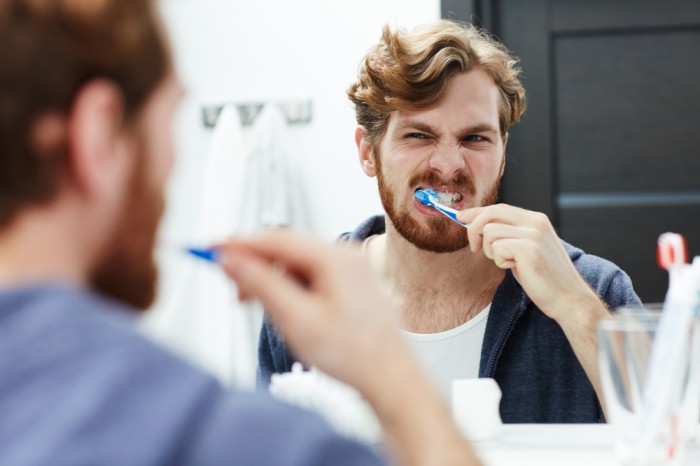
Maintaining excellent oral health goes beyond just brushing your teeth daily; the technique you use can significantly impact your dental well-being. Incorrect brushing methods may gradually harm the enamel, irritate the gums, and heighten the likelihood of dental issues. Dental specialists emphasize the importance of employing the proper technique, selecting the right toothbrush, and adhering to regular dental visits to keep your smile in top condition. Here are four common errors in brushing habits that you should avoid for healthier teeth.
One of the most frequent mistakes is brushing with vigorous back-and-forth motions. Many individuals tend to brush aggressively by moving the toothbrush side to side, which can exert undue pressure on the gums and erode the enamel over time. A softer approach is advisable. Opt for small circular motions while brushing and refrain from applying excessive force. If you’re using an electric toothbrush, let the device handle the movement rather than pressing or scrubbing too hard.
Another error to avoid is rinsing your mouth immediately after brushing. This habit can decrease the effectiveness of the toothpaste ingredients that are meant to stay on your teeth to strengthen and protect the enamel. Rather than rinsing right away, try spitting out the excess toothpaste and allowing the protective ingredients more time to work on your teeth.
Using a toothbrush with hard bristles or continuing to use an old toothbrush can also be detrimental to your oral health. Toothbrushes with stiff bristles can be abrasive on both teeth and gums. Experts often suggest using a toothbrush with soft or extra-soft bristles for everyday use. Additionally, it’s crucial to replace your toothbrush regularly, as worn-out bristles become less effective at cleaning and might contribute to plaque buildup and gum issues.
Finally, neglecting regular dental checkups is a significant oversight. While daily brushing is vital, professional dental cleanings are equally important in maintaining oral health. Routine visits to the dentist can help in identifying issues early and removing buildup that brushing alone might not address. By adopting proper brushing habits and committing to regular dental care, you can support your long-term oral health and prevent more serious problems in the future.