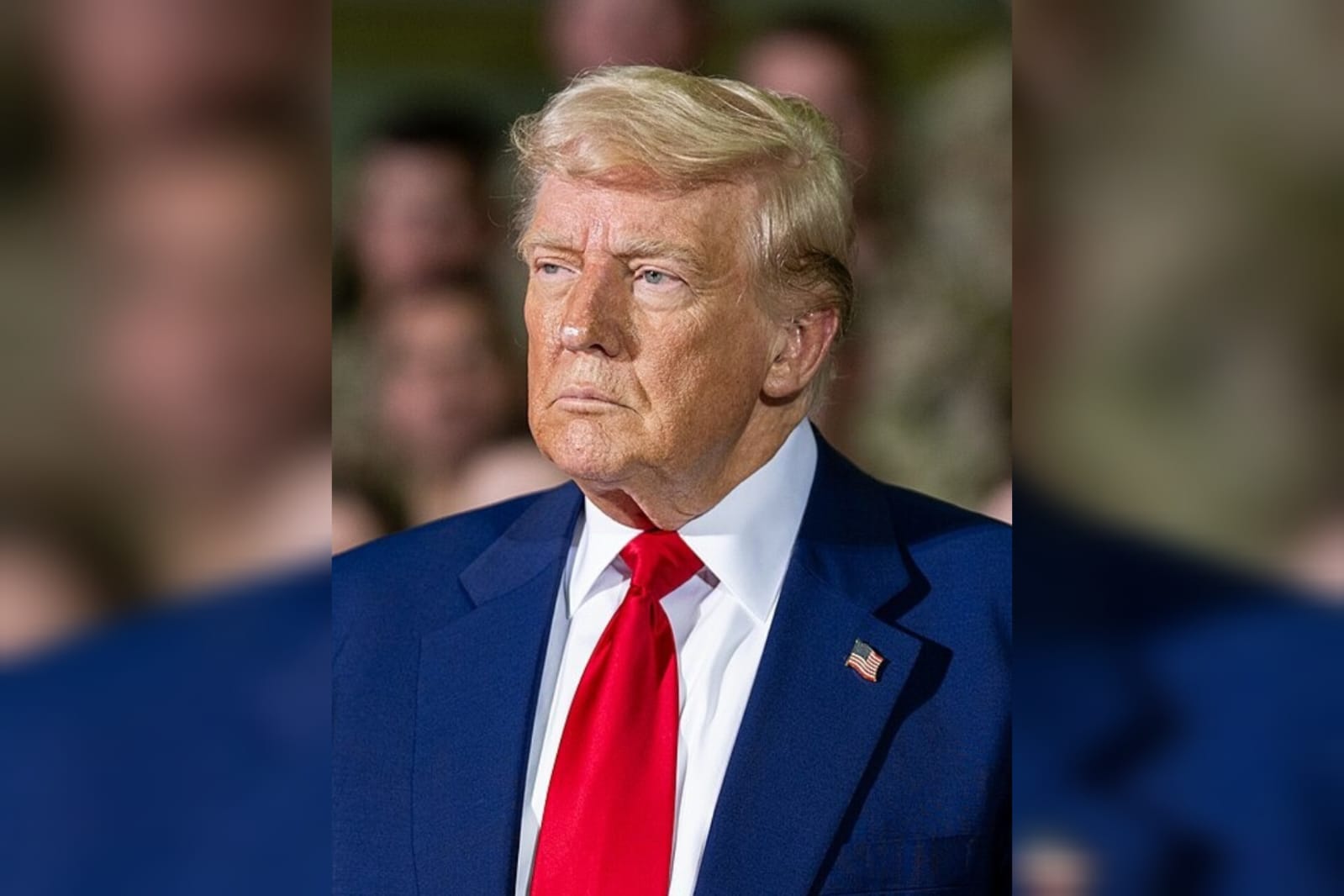
In a significant diplomatic move, President Donald Trump has brokered a 14-point agreement with Iran, which he hailed as a breakthrough that could stave off a global economic crisis. The agreement, also signed by Iranian President Masoud Pezeshkian, is designed to reopen the Strait of Hormuz—a critical chokepoint for global oil shipments. This development marks the beginning of a 60-day negotiation window aimed at forging a more comprehensive and lasting settlement.
As part of the terms, Iran has agreed to reopen the strategic strait and enter into discussions regarding its nuclear program. In exchange, the United States will alleviate certain sanctions, permit Iranian oil exports, release billions in frozen Iranian assets, and support initiatives to rejuvenate Iran’s economy. The deal also addresses the reduction of Iran’s enriched uranium stockpile, which will be supervised internationally to ensure compliance.
Trump has defended the agreement, emphasizing that diplomacy was the key to averting a broader conflict that could have destabilized the global economy. He pointed out that the reopening of the Strait of Hormuz is crucial for energy market stability and the security of international shipping lanes. Despite this diplomatic engagement, Trump made it clear that the U.S. would not provide financial aid for Iran’s reconstruction, although Gulf countries might consider investments.
Reactions to the agreement have been varied. Proponents argue that it decreases regional tensions, enhances global energy security, and sets the stage for enduring negotiations over Iran’s nuclear ambitions. On the other hand, critics contend that the deal gives Iran substantial economic relief without securing stronger commitments on its ballistic missile program or limiting its regional influence, potentially allowing Tehran to gain significant economic and strategic leverage.
The deal also includes promises to diminish regional hostilities. Iran has vowed to refrain from pursuing nuclear weapons and to moderate the actions of its regional allies. Future negotiations are expected to tackle unresolved issues such as missile development and broader Middle East security concerns. While both nations have lauded the agreement as an important step forward, its ultimate success hinges on the results of the forthcoming discussions.