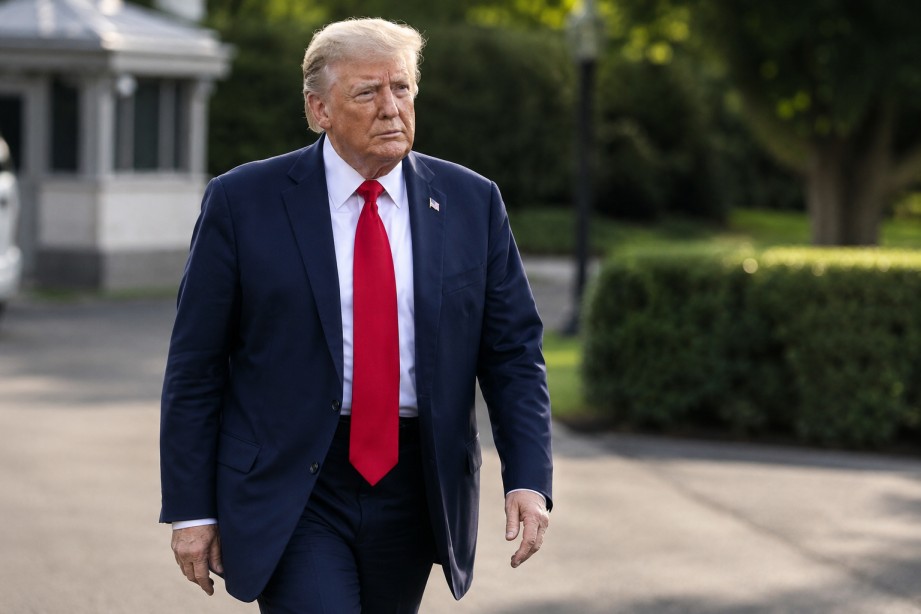
In a move that has stirred economic tensions, US President Donald Trump has announced the imposition of a 50% tariff on a wide array of Canadian imports. This decision stems from accusations that Canada engages in unfair trade practices that disadvantage American industries, particularly those involving automobiles, alcoholic beverages, and dairy products.
The tariffs, which are set to come into effect in 30 days, will encompass a diverse range of goods such as wine, hockey sticks, and cement. This time frame has been provided to allow for potential negotiations to take place between the US and Canada. Notably, some items that previously enjoyed protection under the United States-Mexico-Canada Agreement (USMCA) will now be subjected to these new tariffs. However, certain sectors, including energy products, fish, critical minerals, potash, and items already under national security tariffs like steel and aluminum, will remain exempt from these new measures.
The Trump administration justifies the tariffs as a necessary response to what it perceives as retaliatory actions by Canada and discriminatory practices against US commerce. Specifically, US officials have highlighted Canadian restrictions on American alcoholic beverages and tariffs on some US-manufactured vehicles as key points of contention.
Canadian Prime Minister Mark Carney has responded by emphasizing that Canada has put forward proposals to settle these trade disagreements, noting that the tariffs will likely lead to higher costs for families, particularly within the United States. Carney reaffirmed Canada’s willingness to engage in negotiation. Meanwhile, Ontario Premier Doug Ford has suggested that if the tariffs proceed, Canada should impose reciprocal tariffs in response. Business leaders on both sides of the border are urging the two nations to use the 30-day negotiation window effectively to reach a mutually agreeable resolution.
This latest development in US-Canada trade relations has sparked concerns about potential economic disruptions, the risk of higher inflation, and the possibility of further straining diplomatic ties between the neighboring countries.