
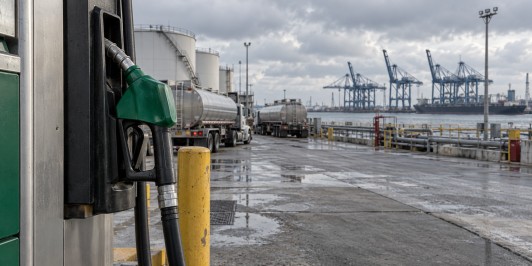
The United States is grappling with soaring diesel prices amid global energy disruptions, prompting discussions about potential export restrictions. The sharp increase in diesel costs, currently averaging a record $6.53 per gallon, stems from instability linked to conflicts in Iran and Ukraine. As energy prices rise, the U.S. administration is considering measures to retain more diesel for domestic use.
President Donald Trump has shown support for the idea of limiting or banning diesel exports to ensure adequate supply within the country. In a recent statement made before meeting Ukrainian President Volodymyr Zelenskyy, Trump emphasized the U.S.’s significant diesel production capabilities and the potential benefits of keeping the fuel on home soil. This consideration comes as the administration evaluates the feasibility of such a move in light of the nation’s refining capacity.
The possibility of export restrictions has sparked debate, with the American Fuel and Petrochemical Manufacturers trade group cautioning against hasty decisions. The group argues that curbing exports could unintentionally lead to decreased production by U.S. refiners, thereby reducing the overall supply of diesel and gasoline available domestically.
Further complicating the situation are the ongoing Ukrainian strikes on Russian oil refineries, which President Trump has noted could exacerbate the challenges by damaging crucial refining infrastructure. Such developments might further escalate diesel prices, adding to the urgency of addressing the U.S. energy supply chain’s vulnerabilities.
As the situation unfolds, Treasury Secretary Scott Bessent has confirmed that the administration is carefully analyzing the potential impacts of any export restrictions. The government aims to balance the need for domestic energy stability with the broader implications for the global market, ensuring that any decision minimizes adverse effects on both the economy and energy supplies.