
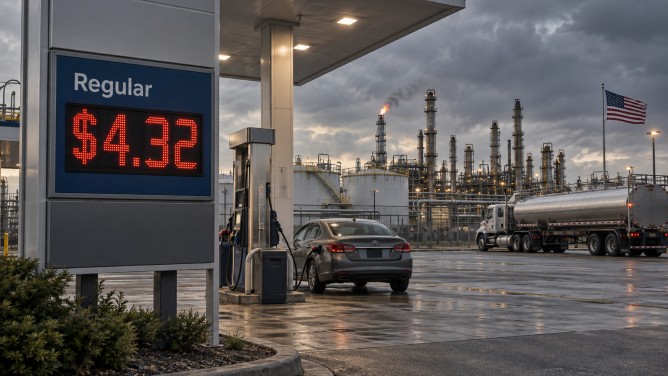
The global energy landscape is facing significant uncertainties as geopolitical tensions and supply disruptions continue to impact oil markets worldwide. These factors have contributed to a surge in fuel prices across the United States, where the average cost of regular gasoline now stands at $4.32 per gallon, according to the latest data from the US Energy Information Administration.
This recent uptick in gasoline prices marks an increase of nearly 25 cents over the past two weeks and represents a substantial rise from the approximately $3.18 per gallon recorded at this time last year. The primary driver behind these inflated prices is the ongoing volatility in the global crude oil market. Conflicts involving key regions such as the Middle East, Iran, and Ukraine have sparked concerns over oil supply stability, subsequently pushing energy prices higher.
Diesel prices have also climbed to unprecedented levels, exacerbating costs within the transportation and shipping sectors. The implications of rising diesel expenses are far-reaching, potentially increasing the overall cost of goods and contributing to broader inflationary pressures on consumers.
Typically, gasoline prices tend to drop in the fall as US refiners transition to more cost-effective winter-grade fuel from the pricier summer-grade versions. However, analysts are cautioning that the usual seasonal decrease may be limited this year due to persistent geopolitical risks.
Adding to the challenges is the reduced capacity of the US Strategic Petroleum Reserve, which possesses less emergency oil than in previous years following significant drawdowns. This limitation could hinder the government’s ability to effectively respond to any further major supply disruptions.
Energy experts predict ongoing volatility in fuel prices as the Middle East and Russia-Ukraine conflicts continue to influence global oil dynamics. While any seasonal decline in gasoline prices might offer temporary relief, the overarching supply risks are likely to keep prices elevated in the near term.