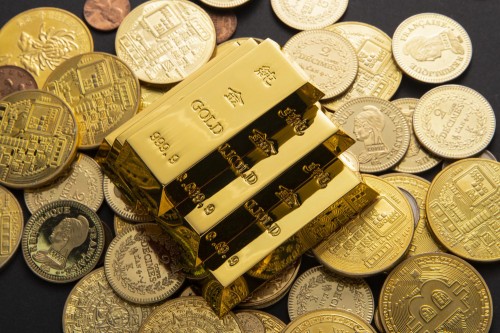
The price of gold experienced a decline this week as investors responded to the ongoing uncertainty in the US-Iran negotiations, which aim to resolve the broader Middle East conflict. As bullion hovered near $4,450 per ounce, it was on track for a weekly loss of approximately 2%. The mixed signals emerging from both nations have contributed to the wavering confidence among investors. While US officials have indicated that peace talks are nearing a conclusion, Iranian representatives have expressed skepticism, stating that no substantial progress has been made. This discrepancy has left markets on edge regarding the potential results of these discussions.
Now entering its fourth month, the conflict has significantly impacted key energy routes through the Strait of Hormuz, which has, in turn, driven up oil prices and sparked renewed fears regarding global inflation. The resultant inflationary pressures have led to increased anticipation that central banks might either maintain or tighten interest rates further. Such monetary policy actions could diminish the appeal of non-yielding assets, such as gold, making them less attractive to investors.
In the current environment, gold has found it challenging to sustain any upward momentum, often trading within a limited range after experiencing sharp declines early in the conflict. The metal’s value remains notably lower than its pre-conflict levels, indicating a reduced demand for traditional safe-haven assets despite the ongoing geopolitical tensions. Analysts have pointed out that this situation reflects the complex dynamics influencing investor behavior under the prevailing conditions.
Alongside gold, other precious metals have also seen declines. However, currency markets have maintained relative stability, suggesting a mixed positioning by investors who are grappling with the global uncertainty. This varied response further underscores the intricate factors at play in the current market landscape.
Experts suggest that the future trajectory of gold prices will likely hinge on whether geopolitical tensions in the region escalate or if meaningful diplomatic progress is achieved, leading to a stabilization of energy markets and inflation expectations. Until a clearer path emerges, the gold market is expected to remain sensitive to developments in the negotiations and the broader geopolitical climate.