
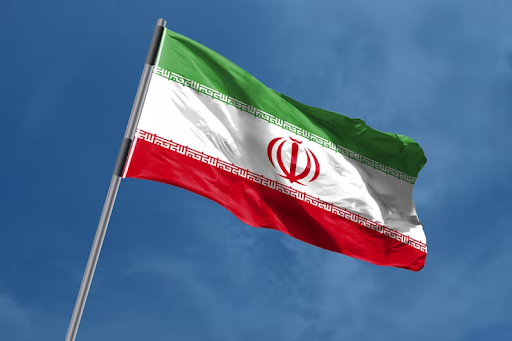
Iran has flatly rejected a 15-point ceasefire framework delivered by Pakistani intermediaries and responded with a five-point counter-proposal, making clear that Tehran will not bow to American demands. The rejection, communicated through Iranian state television, signals that the conflict shows no immediate sign of resolution despite growing international pressure for a diplomatic off-ramp.
Iranian state media quoted an anonymous senior official stating that Tehran would “end the war when it decides to do so and when its own conditions are met.” Foreign Minister Abbas Araghchi confirmed that the US proposal had been passed to senior Iranian authorities, but he added that Iran had “no intention of negotiating for now.” The statement drew sharp contrast with Washington’s insistence that talks were actively progressing.
Iran’s counter-proposal included five core demands: an immediate halt to all hostilities and the killing of Iranian officials, firm guarantees against future military aggression, war reparations from the United States, and continued Iranian sovereignty over the Strait of Hormuz. These terms were described by a senior Iranian official speaking to regional media as the minimum acceptable baseline. The inclusion of Hormuz control is widely seen as a deliberate dealbreaker designed to test American seriousness.
The diplomatic standoff carries enormous global consequences. The virtual blockade of the Strait of Hormuz — through which roughly 20% of the world’s oil passes — has sent energy prices soaring worldwide. President Trump’s approval rating has slumped to a record low of 36%, driven by surging fuel costs and public fatigue with the war. Roughly 59% of Americans now believe the conflict has “gone too far,” according to a new poll.
Despite the hardened rhetoric, intermediaries from Egypt and Pakistan suggested that face-to-face negotiations between Washington and Tehran could begin as early as Friday, with Pakistan or Turkey floated as potential venues. The White House cautioned reporters not to read too much into the timeline, but confirmed that direct talks remained an option. The path to peace remains treacherous, but the existence of back-channel communications offers a thin thread of hope.