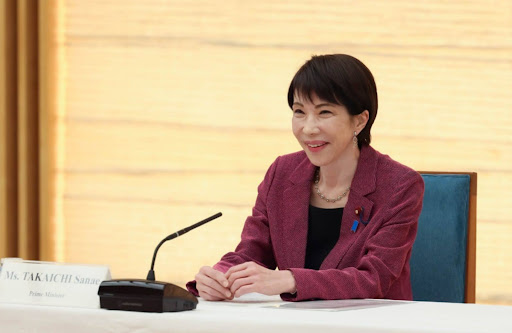
Japan is taking historic action to protect its energy supply, with Prime Minister Sanae Takaichi announcing the country will begin its biggest-ever oil release from national strategic reserves. Approximately 80 million barrels — equal to 45 days of domestic demand — will be distributed to refiners as tensions in the Middle East disrupt critical shipping lanes. The release begins Thursday, marking an unprecedented step in Japan’s energy crisis response.
Japan relies on the Middle East for over 90% of its crude oil imports, making any disruption to the Strait of Hormuz deeply consequential. The ongoing US-Israel conflict with Iran has raised serious fears about tanker traffic being blocked or significantly delayed. Tokyo has been monitoring the situation closely and has now moved decisively to cushion its economy from potential shocks.
The reserve release is 1.8 times larger than what Japan deployed following the 2011 Fukushima nuclear disaster, underscoring the severity of the current situation. In addition to state reserves, the government approved the release of 15 days’ worth of private-sector stockpiles last week. Japan currently holds roughly 470 million barrels total — enough to cover 254 days of normal consumption.
To ease costs at the pump, the government has introduced fuel subsidies capping gasoline prices at approximately ¥170 per litre, after prices hit a record ¥190.8. Meanwhile, social media anxiety has sparked concerns about toilet paper shortages, despite 97% of Japan’s supply being domestically manufactured. Industry leaders have urged calm and rational purchasing behavior among consumers.
Japan’s diplomatic approach remains measured, with Takaichi resisting US calls to deploy naval forces to the region, citing constitutional restrictions. Tokyo has pledged to pursue intensive diplomatic efforts in coordination with international partners. Officials remain committed to restoring stability through dialogue rather than military involvement.