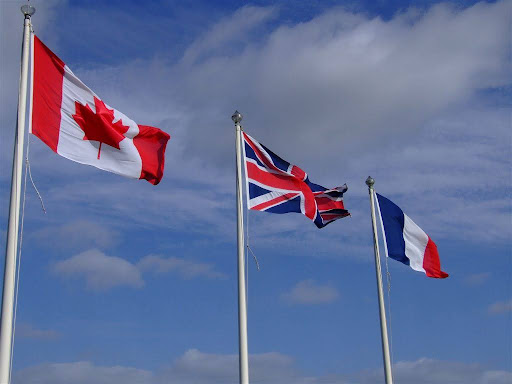
A notable transformation in Western diplomatic positioning toward Israel has manifested in a joint statement issued Monday by the governments of Canada, the United Kingdom, and France. This trilateral declaration represents a significant recalibration of these nations’ traditional stance regarding the Israeli-Palestinian conflict, particularly concerning military operations in Gaza and settlement expansion in the West Bank.
The statement’s language exhibits remarkable forthrightness, employing terms such as “wholly inadequate” to characterize Israel’s limited humanitarian aid provisions and “intolerable” to describe civilian suffering—terminology that signifies a departure from typically more measured diplomatic discourse. Of particular significance is the explicit threat of “concrete actions,” including potential sanctions, which constitutes an unusual diplomatic approach toward a state traditionally considered a close Western ally.
This diplomatic intervention occurs within the context of Israel’s intensified military campaign across Gaza, accompanied by Prime Minister Benjamin Netanyahu’s stated objective of “taking control of all of Gaza” and his controversial proposal regarding Palestinian “voluntary emigration.” The latter suggestion has been interpreted by numerous international relations scholars as potentially constituting forced displacement under international humanitarian law.
The three nations’ criticism of West Bank settlements as “illegal” aligns with prevailing interpretations of international law but signifies heightened willingness to potentially implement punitive measures in response to settlement expansion. This position reflects growing international consensus regarding the settlements’ impact on prospective two-state solution viability.
The humanitarian dimension cannot be overlooked, with recent assessments from food security experts indicating imminent famine conditions. While five aid trucks recently gained access to Gaza, United Nations officials have deemed this quantity manifestly insufficient to address the scale of humanitarian need.
This diplomatic development potentially signals a reconfiguration of Western policy calculations regarding the Israel-Palestine conflict, suggesting decreased tolerance for military operations perceived as disproportionate and heightened prioritization of humanitarian considerations in diplomatic positioning.