
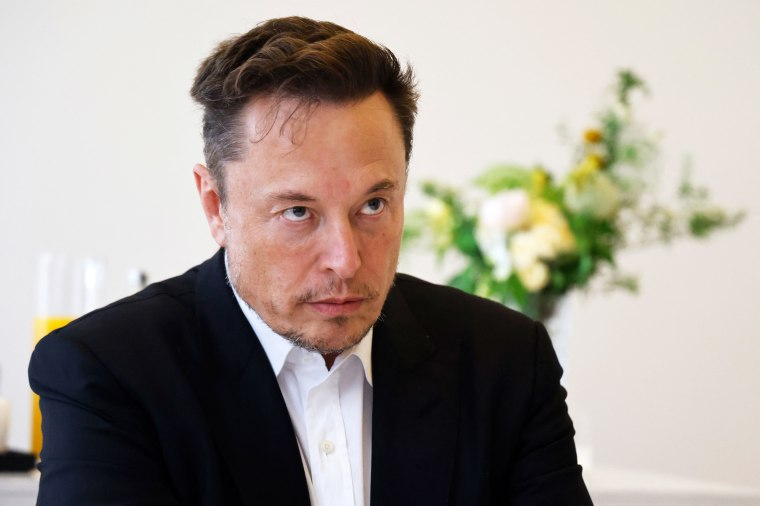
The electric vehicle industry faces new uncertainties as its most prominent advocate, Elon Musk, publicly breaks with the Trump administration over tax policy. Musk’s criticism of the One Big Beautiful Bill Act highlights the broader implications of legislation that eliminates EV tax credits while imposing new fees on electric vehicle owners.
Tesla’s financial struggles, including a 71% profit decline and significant stock value losses, demonstrate the immediate impact of policy changes on the electric vehicle market. The elimination of the $7,500 tax credit and introduction of annual registration fees create additional barriers for consumers considering electric vehicle purchases, potentially slowing industry growth.
Musk’s opposition to Trump’s approach extends beyond immediate business interests to fundamental questions about government support for clean energy technologies. His previous advocacy for ending EV incentives, made during Tesla’s stronger financial periods, now appears prescient as the company faces challenges that government support might have helped address. This situation illustrates the complex relationship between policy decisions and industry development in emerging technology sectors.