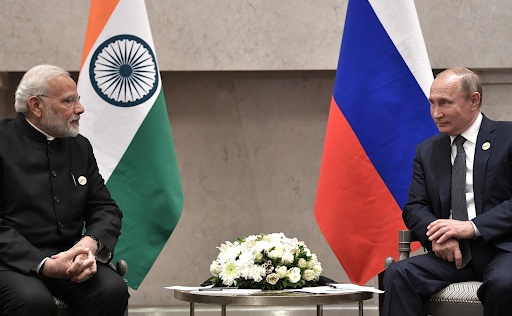
The global trade war is expanding, and India finds itself caught between the U.S. and Russia. In a direct response to U.S. President Donald Trump’s threats, the Kremlin has publicly defended India, stating that “sovereign countries” have the right to decide their own trade partners. Kremlin spokesperson Dmitry Peskov labeled Trump’s threats “illegal” and “unacceptable.” Trump had accused India of profiting from the resale of Russian oil in a social media post and threatened to “substantially” raise tariffs on Indian goods, following an earlier 25% tariff on August 1.
India’s Ministry of External Affairs has also pushed back with a powerful statement, declaring that the “targeting of India is unjustified and unreasonable.” The government reiterated its resolve to protect its “national interests and economic security.”
This diplomatic fallout highlights a growing rift over global energy trade and geopolitical alignments. Russia is positioning itself as a defender of national sovereignty, while the U.S. is using economic pressure to align countries with its foreign policy goals. The situation pits two of the world’s largest economies against each other, with Moscow siding with New Delhi.
The unfolding events highlight the complexities of navigating a multipolar world. India’s refusal to bow to U.S. pressure demonstrates a growing assertiveness among nations to pursue their own strategic interests. The Kremlin’s support not only reinforces its strategic partnership with India but also sends a clear message that it will stand by countries that defy U.S. economic coercion.