
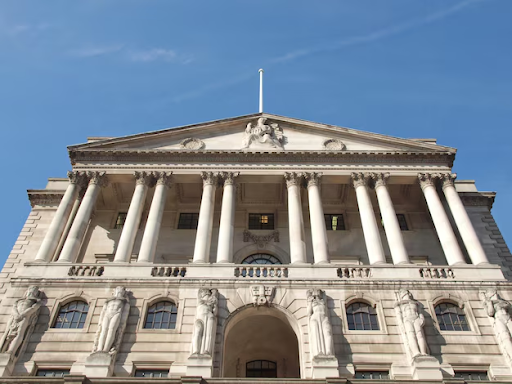
The Bank of England has maintained interest rates at 3.75%, with recent policy experiences informing current caution. Learning from perceived mistakes during the pandemic and inflation surge shapes today’s decisions.
The monetary policy committee’s 5-4 vote reflected awareness of criticisms that central banks, including the Bank of England, initially underestimated inflation risks when prices began rising. The fear of repeating this error encourages caution about declaring victory prematurely.
During the pandemic, many central banks described inflation as “transitory” and delayed tightening. When inflation proved persistent, larger rate increases became necessary. This experience taught that premature easing carries costs, influencing current reluctance despite six previous cuts since mid-2024.
However, learning from mistakes cuts both ways. If the Bank over-learned the lesson and becomes excessively cautious, it might keep rates too high for too long, causing unnecessary unemployment. The GDP forecast of 0.9% and unemployment rising to 5.3% might reflect this error if rates should be lower.
Governor Bailey’s projection that inflation will fall to around 2% by spring reflects confidence built on observing actual inflation declines, not just modeling. The emphasis on “making sure inflation stays there” shows learning from the experience that inflation can resurge. The close 5-4 vote shows committee members learned different lessons—some emphasizing risks of premature easing, others emphasizing risks of excessive caution. Chancellor Reeves’s budget measures, including utility bill cuts and rail fare freezes from April, represent policy lessons about using multiple tools to control inflation. The forecast of 2.1% inflation by mid-2026 will itself be evaluated for accuracy, contributing to future learning.